All-on-4 Dental Implants - published guidance, explained without the sales pitch.
Buying a New Smile Is a Research Project — Here Is the Blueprint
All-on-4 dental implants are the single largest purchase most patients will make outside of a home or car — and yet most people walk into consultations knowing only that "they're like fake teeth, but better." This guide is the buyer's blueprint: what All-on-4 actually is, who it fits, what it costs, and how to compare providers like an informed buyer instead of a hopeful one. If you have been weighing up full mouth dental implants contractor for a home around Frisco, TX, this guide covers how it actually works, what it tends to cost, and where the results usually fall short.
The Problem All-on-4 Solves
Losing teeth is rarely just a cosmetic event. The jawbone that supported those teeth begins to resorb within weeks of extraction — about 25% of the volume disappears in the first year alone — and the facial structure follows: the lower third of the face shortens, the lips thin, the chin moves forward, and the smile takes on that sunken, aged appearance. Traditional dentures sit on top of this shrinking foundation, which is why they slip, click, and need relining year after year. The problem is not the teeth; it is the bone underneath them.
The short version
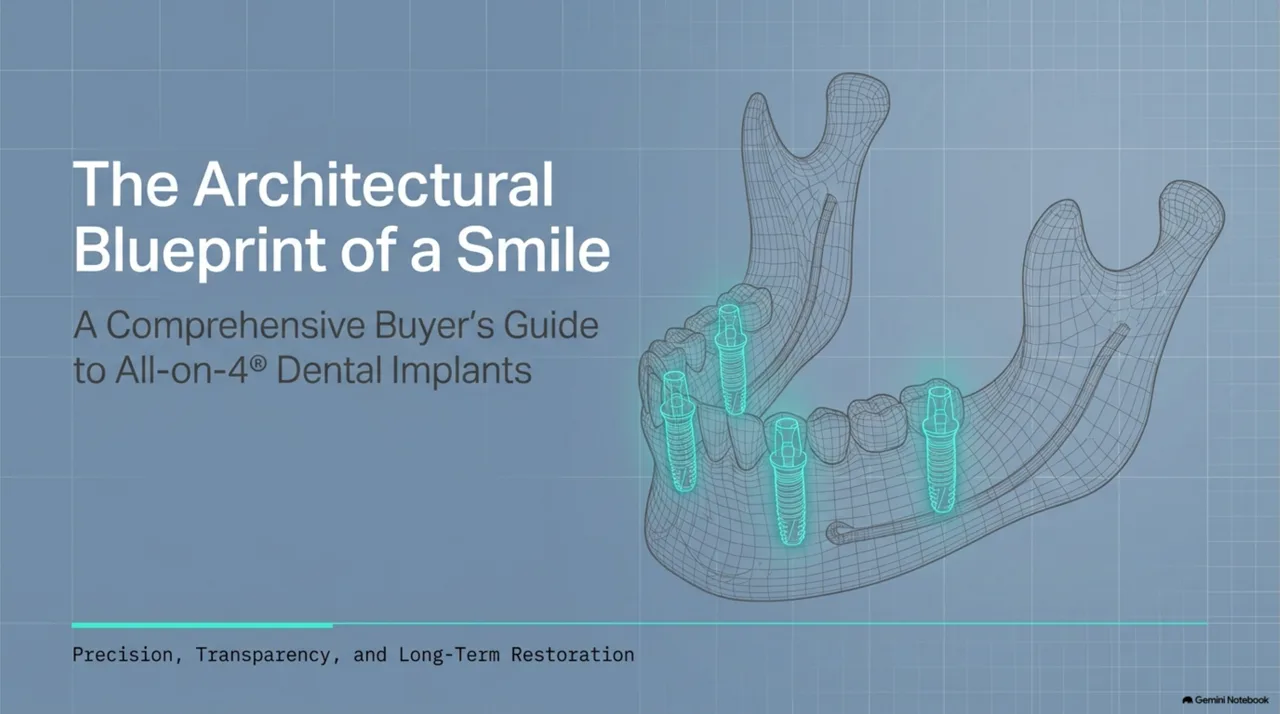
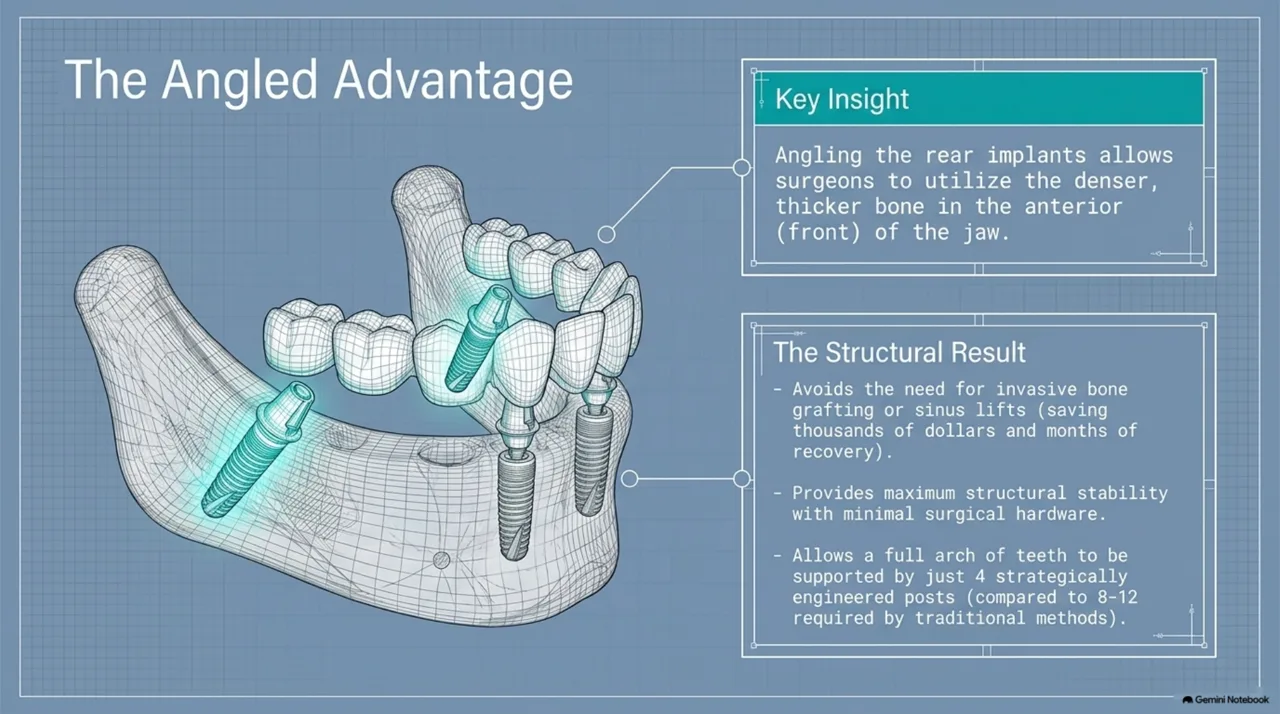
- All-on-4 uses four implants per arch, two straight in front and two angled in back, with the tilt anchoring in denser bone while avoiding the sinus and nerve canal.
- Jawbone resorbs about 25% of its volume in the first year after tooth loss, shortening the lower face and thinning the lips.
- Candidacy is decided by a 3D CBCT scan, and patients with moderate to advanced bone loss are frequently the best all-on-4 candidates.
- In Texas, a single All-on-4 arch averages about $15,132, with full-arch cases typically landing between $22,889 and $31,258.
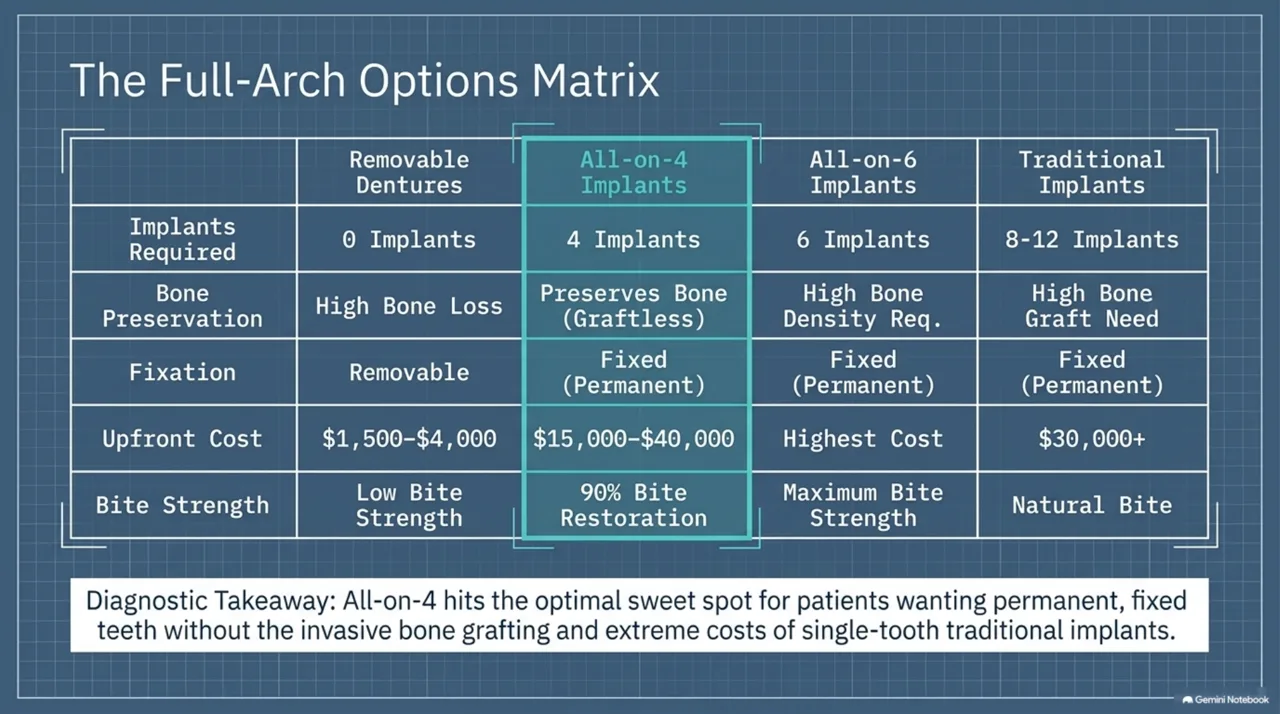
- Dentures cost $2,000-$4,000 per arch upfront but run $60,000-$85,000 over a 25-year span in relines, adhesives, and remakes.
- Implants run $55,000-$67,500 over the same 25 years, mostly paid once, and zirconia finals add $24,000-$32,000 per arch on top.
How Four Implants Carry an Entire Arch
All-on-4 takes its name from its engineering: four implants per arch, two straight in the front and two angled in the back. The angle is the trick. The rear implants tilt backward to anchor in the denser bone that exists further back in the jaw — the same bone that a graftless approach depends on — while staying clear of the sinus cavity and the nerve canal. The result is a fixed bridge that distributes chewing force across all four posts instead of resting on gum tissue.
Who Is a Candidate?
The candidacy question is decided by a 3D CBCT scan, not by a mirror. Patients with moderate to advanced bone loss — the ones who have been told "you don't have enough bone for implants" — are frequently the best All-on-4 candidates, because the angled anchoring works with the bone they already have. The scan shows exactly how much bone exists, where it is densest, and whether the sinus and nerve positions allow safe placement. If you have enough bone for conventional implants, All-on-4 works too — it just does the same job with fewer posts.
The Process, Phase by Phase
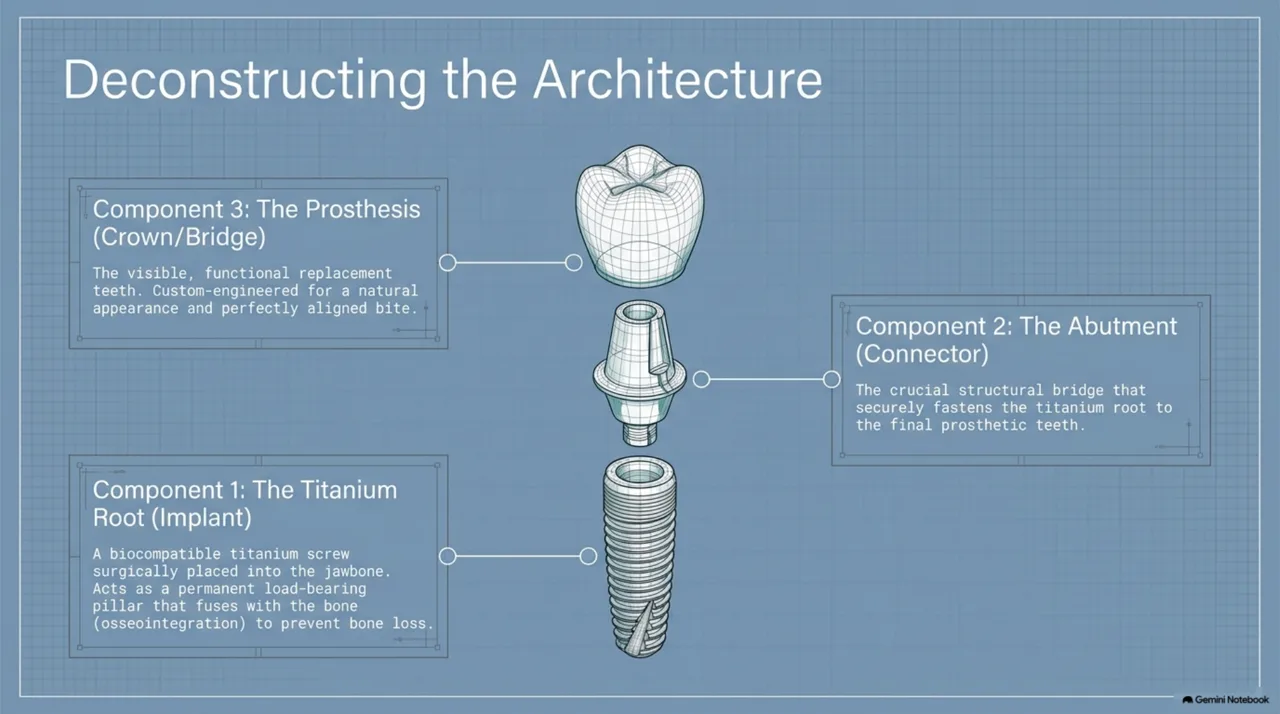
The treatment arc has four phases. Phase one is the diagnostic visit: the scan, the digital plan, and the written treatment plan with itemized pricing — the step where buyer's discipline matters most. Phase two is surgery day: extractions if needed, implant placement, and — in most protocols — temporary fixed teeth the same day, so you leave with a complete smile. Phase three is the healing period: a soft-food diet, gentle hygiene, and the quiet work of osseointegration as the titanium posts fuse with the bone over the following months. Phase four is the permanent set: the temporary prosthesis is swapped for the final zirconia or acrylic arch, and your bite is tuned for decades of use.
What the Whole Thing Costs
In Texas, a single All-on-4 arch averages about 15,132, with full-arch cases typically landing between 22,889 and 31,258 — and zirconia finals adding 24,000 to 32,000 per arch on top. The honest way to compare quotes is on the lifecycle, not the sticker: dentures look cheap at 2,000–4,000 per arch but cost 60,000–85,000 over 25 years in relines, adhesives, and remakes, while implants run 55,000–67,500 over the same span — mostly paid once. A written, itemized quote from two providers is the only way to compare like for like.
Choosing the Provider Who Builds It
Because All-on-4 is engineering as much as dentistry, provider selection is the highest-leverage decision in the entire process. Ask for board certification or implant-focused credentials, annual case volume, on-site CBCT imaging, a written itemized quote, and the warranty terms in writing — including what voids it and the redo policy if an implant fails to integrate. Providers who answer these questions comfortably, with specifics, are usually the ones who have answered them many times before.
The Bottom Line
All-on-4 is a proven, bone-preserving, teeth-in-a-day answer to full-arch tooth loss — but it is also a significant investment, and the difference between a good outcome and a great one is the planning on the front end. Scan first, compare written plans, verify credentials, and choose on the evidence. That is the blueprint; the smile follows.